

Understanding Skin Cancer
Skin cancer is the most common cancer worldwide. While anyone can develop skin cancer, risk may be higher for individuals with:
It’s important to know that people of all skin tones can develop skin cancer, even without heavy sun exposure.


Warning Signs of Skin Cancer
Skin cancer may appear in many forms and can develop anywhere on the body — including areas not exposed to the sun.
You should have your skin evaluated if you notice:
Regular self-skin checks and professional skin exams are key to early detection.
Types of Skin Cancer
There are three main types of skin cancer:
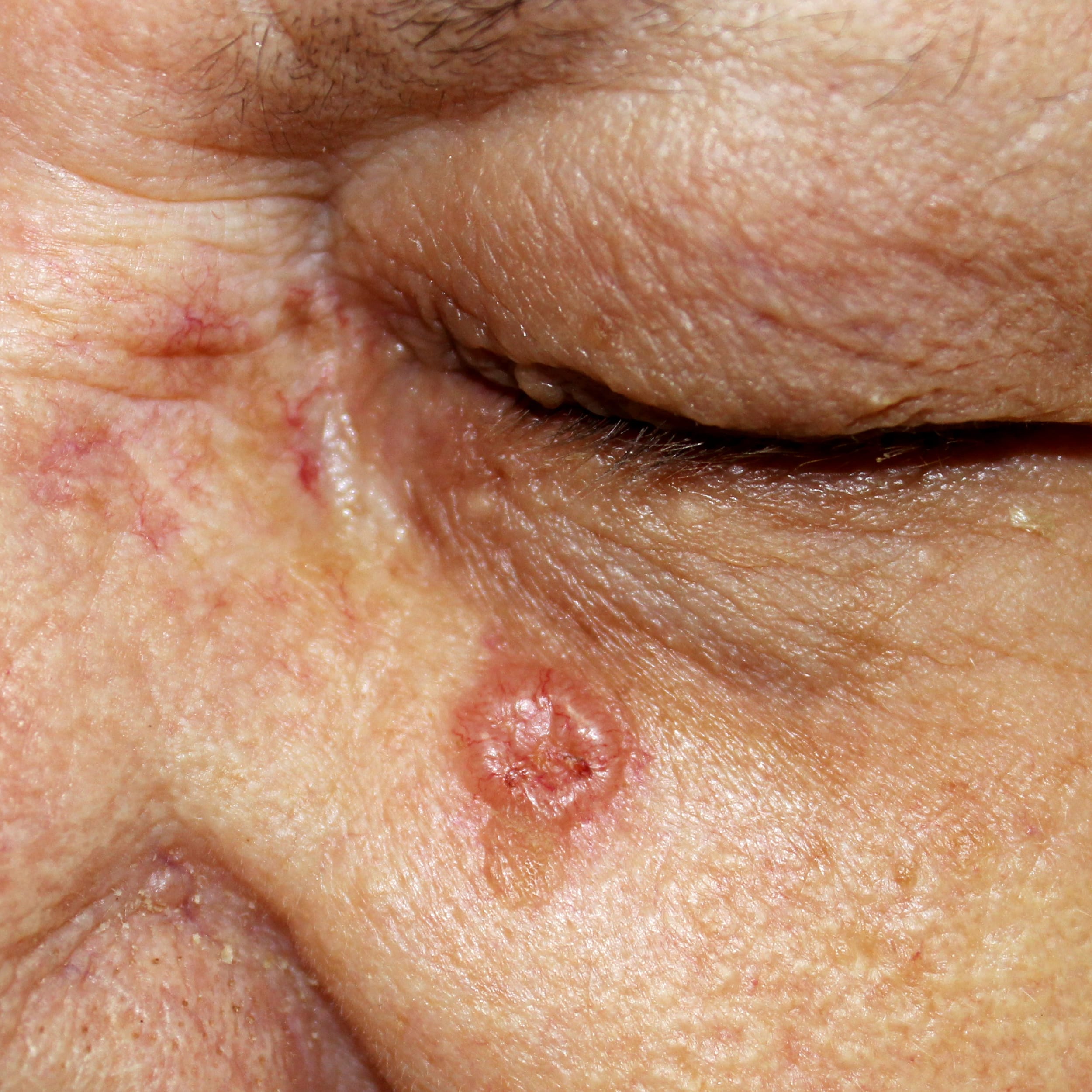
Basal Cell Carcinoma (BCC)
The most common form of skin cancer. BCCs typically grow slowly and rarely spread but can cause local damage if left untreated. They often appear as pearly, flesh-colored, or red bumps, or as non-healing sores.
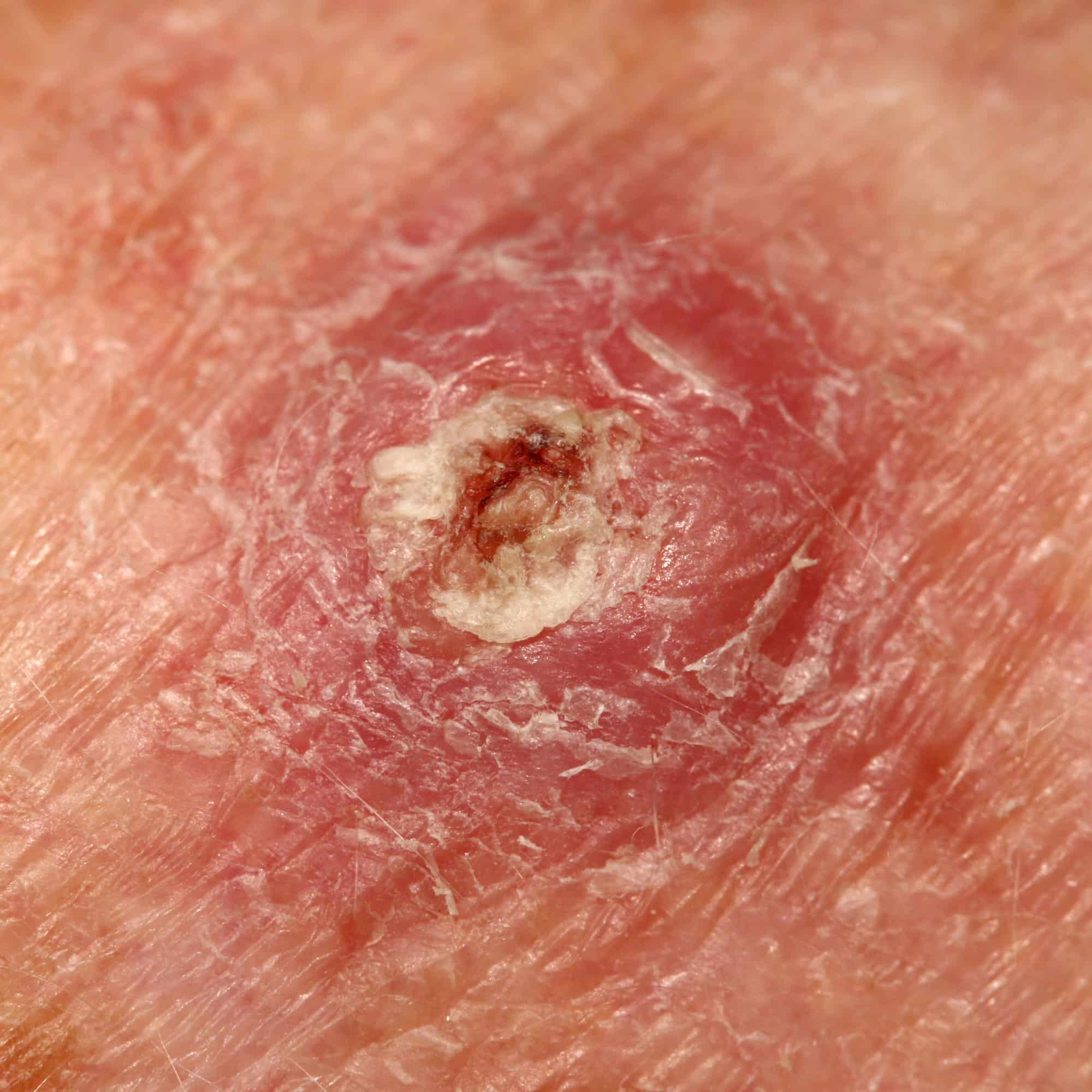
Squamous Cell Carcinoma (SCC)
A common skin cancer that can develop from sun-damaged skin or precancerous lesions (actinic keratoses). SCCs may appear as red, scaly patches, firm bumps, or ulcerated areas and should be treated promptly.

Melanoma
The least common but most serious form of skin cancer. Melanoma often develops from an existing mole or as a new dark lesion. When detected early, melanoma is highly treatable — early diagnosis is critical.
Skin Cancer Treatment Options
Treatment depends on the type, size, location, and depth of the skin cancer. Options may include:
Mohs surgery is a specialized technique that allows for precise removal of cancer while preserving as much healthy tissue as possible, offering high cure rates and excellent cosmetic outcomes in appropriate cases.
Why Early Detection Matters
Skin cancer is highly treatable when caught early. Routine skin exams, sun protection, and prompt evaluation of suspicious lesions play an essential role in prevention and successful treatment.
We’re Here to Help
Our dermatology team provides comprehensive skin cancer screening, diagnosis, and treatment. We work closely with each patient to determine the most appropriate and effective care plan, with a focus on both health and cosmetic outcomes.