Skip to main menu Skip to main content Skip to footer
Silverdale
| 360.698.6859
Gig Harbor
| 253.851.7733
Tacoma
| 253.752.2273
Request an Appointment
myPatientVisit Portal
Pay My Bill

Rosacea

Turn to medical professionals trained in all facets of skin care – you can be sure that they will recommend the right products for your skin care needs.

request an appoitment

What is Acne Rosacea?

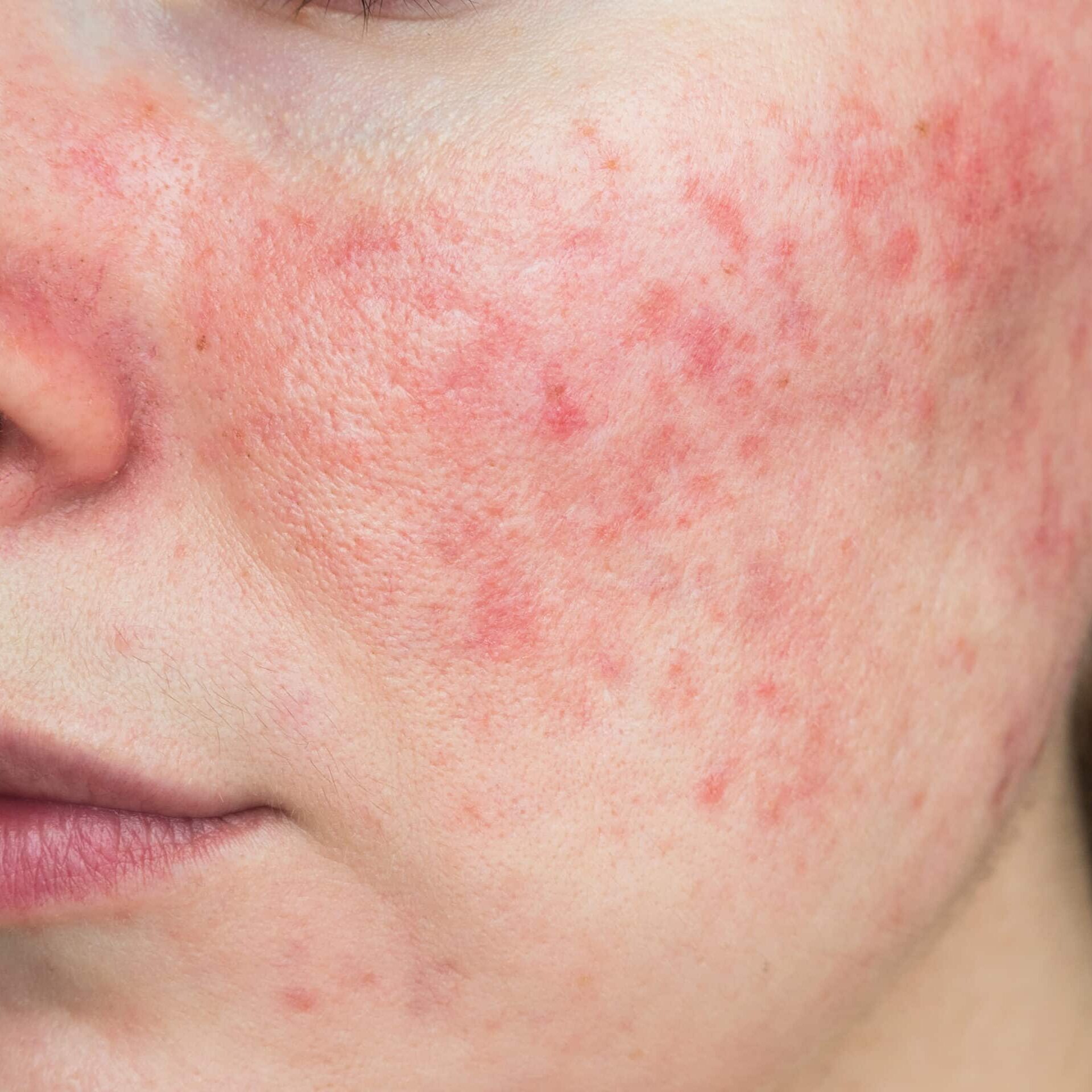
Acne Rosacea is a common inflammatory disease of the face – particularly affecting the nose, cheeks, chin, and forehead. Acne Rosacea is treated by Dr. Rasmussen and our team of providers for patients in Gig Harbor, Tacoma, Silverdale and throughout Washington state. In its early stages it most often causes red pimples and pus-filled cysts similar to those seen in ordinary teenage acne. Rosacea is a long-term disorder and usually lasts for at least several years. Typically, flare-ups alternate with periods of less activity. Over a period of time, it gradually “scars” the skin by producing permanent redness of the face, particularly the cheeks and nose. The exact cause of Acne Rosacea is not known, but it is thought to be similar in some respects to teenage acne. It is definitely known not to be contagious. The skin disease may, in rare cases, be associated with an inflammation of the eyelids known as blepharitis.

How is Acne Rosacea treated?

If Acne Rosacea is fairly severe, our physician may prescribe antibiotics to help control the inflammation. All of these drugs have certain things in common:

  1. They must be taken with great regularity to be of maximum benefit.
  2. Though quite safe and relatively free of side effects, any disturbing symptoms which arise during their use should be reported to us so that we can determine whether they might be due to the medicine.
  3. Any of the antibiotics prescribed should be discontinued immediately if pregnancy occurs.

Occasionally, women taking antibiotics may develop vaginal yeast infections. Symptoms of this are itching and vaginal discharge. This is not serious or dangerous and can usually be easily managed without interrupting treatment of the Acne Rosacea. If you experience these symptoms, contact the office for instructions.

  • Strong direct sunlight.
  • Emotional stress or anxiety.
  • Hot weather, especially hot, humid weather.
  • Highly seasoned, spicy foods.
  • Exercise and exertion.
  • Cold weather, especially exposure of the face to cold wind.
  • Hot baths.
  • Alcoholic beverages in more than minimal quantities.
  • Hot beverages in large quantities and abundant use of very hot foods such as soups, hot pizza, etc.
  • The following foods were listed: eggplant, spinach, avocados, bean pods, chocolate, vanilla, soy sauce, vinegar, citrus fruits, bananas, red plums, tomatoes, raisins and figs. Yeast extracts sometimes caused trouble, though bread was not reported.